
Accessing specialized foot care can often be complicated by mobility issues, time constraints your mobile podiatrist, or clinic accessibility. Mobile podiatry offers a practical alternative by bringing professional services directly to a patient’s home. This approach not only addresses immediate foot health concerns but also supports ongoing care in a familiar environment. Understanding the full extent of these benefits requires examining the services offered and identifying who gains the most from this convenient option.

Why Accessing Foot Care Can Be Challenging
Although foot care is essential for overall health, many individuals face significant obstacles when attempting to access it https://peoplepodiatry.com.au/. Limited mobility, transportation difficulties, and busy schedules often prevent timely visits to a podiatrist.
For some, physical disabilities or chronic conditions restrict travel, while others experience long wait times at clinics or lack nearby specialized services. Additionally, financial constraints and inadequate insurance coverage can deter people from seeking necessary treatment.
These barriers restrict personal freedom, forcing individuals to delay or forgo essential foot care, which can lead to worsening conditions.
Overcoming these challenges requires flexible solutions that prioritize convenience and accessibility, allowing people to maintain their independence while receiving professional foot care without disrupting their daily lives.
What Services Does Mobile Podiatry Provide at Home?
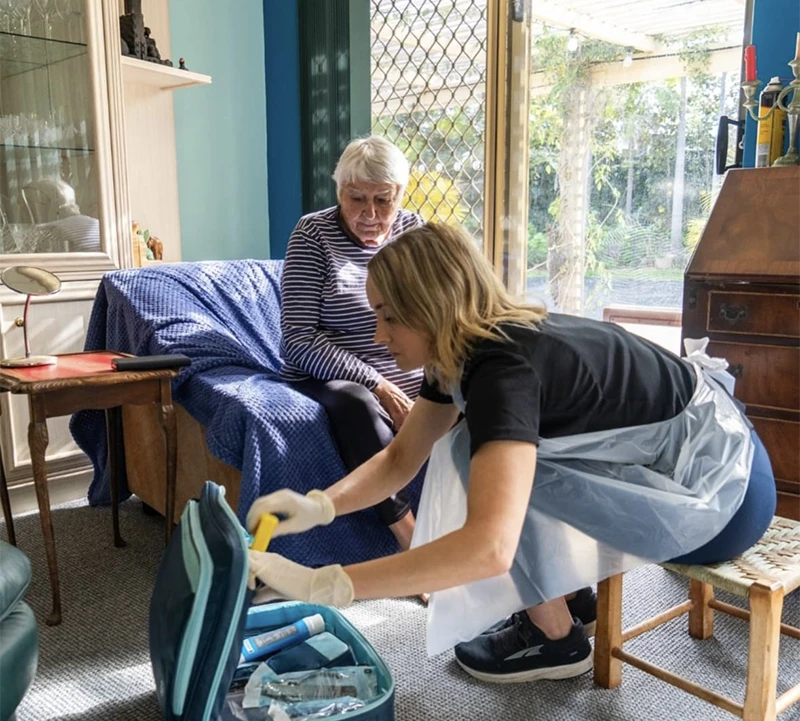
Mobile podiatry addresses the barriers to traditional foot care by bringing professional services directly to patients’ homes. This approach offers convenience and fosters independence, allowing individuals to maintain their mobility without disrupting daily routines.
Key services provided include:
- Comprehensive Foot Assessments – Evaluations to identify issues early, empowering patients to take control of their foot health.
- Treatment of Common Conditions – Care for corns, calluses, ingrown toenails, and infections, enhancing comfort and freedom of movement.
- Chronic Condition Management – Support for diabetes-related foot care and arthritis, preventing complications and promoting ongoing wellbeing.
Who Benefits Most From Mobile Podiatry Visits?
Who stands to gain the most from podiatry services delivered at home? Primarily, individuals with limited mobility, such as seniors or those recovering from surgery, benefit greatly. Mobile podiatry removes transportation barriers, allowing them to maintain foot health without leaving their residence.
People with chronic conditions like diabetes also find value, as regular, accessible care helps prevent complications. Additionally, busy professionals and caregivers appreciate the convenience, fitting appointments into tight schedules without disrupting routines.
Those seeking autonomy in managing their health prefer mobile visits for the privacy and control it offers. Overall, mobile podiatry serves anyone prioritizing freedom, comfort, and consistent foot care, regardless of physical or logistical challenges.
How Mobile Podiatry Eases Stress and Supports Foot Health
Access to podiatry care at home not only improves convenience but also considerably reduces stress associated with managing foot health. Mobile podiatry eliminates travel challenges, allowing patients to receive expert care in familiar surroundings, fostering comfort and calm.
This approach supports foot health by ensuring timely treatment, preventing complications from delayed care.
Key benefits include:
- Personalized attention free from waiting room anxiety.
- Freedom to maintain daily routines without disruption.
- Enhanced communication with the podiatrist in a relaxed environment.
How to Choose the Right Mobile Podiatrist for You
Selecting the right podiatrist for home care involves careful consideration of several factors to guarantee quality and comfort. Credentials and experience are essential; verifying licenses and specialized training ensures competent care.
It is important to review patient testimonials or seek recommendations to gauge reliability and professionalism. Flexibility in scheduling supports personal freedom, allowing appointments to fit individual lifestyles.
Additionally, the podiatrist’s communication style should promote clear understanding and respect for patient preferences. Accessibility to follow-up support and transparent pricing further simplifies decision-making.
Choosing a mobile podiatrist who respects autonomy and prioritizes convenience empowers individuals to maintain foot health without compromising independence or daily routines.
Conclusion
Mobile podiatry services offer a practical solution for individuals facing barriers to traditional clinic visits. By delivering professional foot care directly to the home, these services enhance accessibility, convenience, and comfort. They are especially beneficial for those with limited mobility or chronic conditions, promoting timely treatment and ongoing foot health. Choosing the right mobile podiatrist guarantees personalized care that supports independence and overall well-being, making quality foot care both achievable and stress-free.